![A banner image for a website promoting a positive and fulfilling lifestyle, with the theme "Just live the good life" and a tag line "You live only once but if you do it right, once is enough" capturing the essence of living life to the fullest and embracing joy and happiness in a modern and uplifting design. [Incorporating vibrant and uplifting colors] [With modern and sleek typography] [Featuring images that evoke joy and happiness] [Representing a sense of vitality and energy]](https://justlivethegoodlife.in/wp-content/uploads/2024/07/img-heipnmflzhjispl3gwey7csb.png)
As leaders, it’s easy to unintentionally treat failures as punishments. However doing so quietly erodes trust, innovation, and resilience. It is a habit we must consciously break.
Based on my experience, here are common scenarios where this happens and the deeper consequences they create.
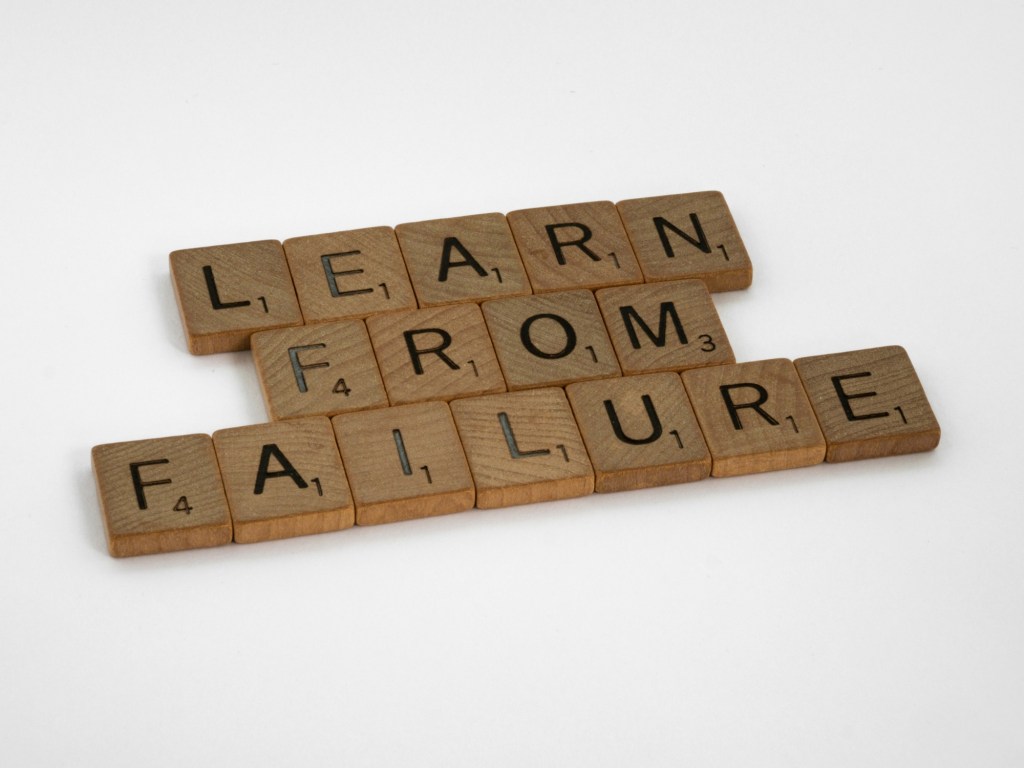
1️⃣ A team member suggests a new automation for a process. As a leader you support the idea , invest in the change and It fails to deliver the expected time savings, and then employee is formally reprimanded in their evaluation.
This creates a barrier for growth. It discourages initiative and innovation. Instead of pushing boundaries to improve, teams stick to following safer routines, slowing down progress.
2️⃣ During a project governance review, a missed deadline is pinned solely on one person without considering systemic issues like resource gaps or changing priorities.
It undermines trust and learning. Public blame creates a culture of fear, erodes psychological safety, and makes people focus on covering themselves rather than collaborating or solving problems.
3️⃣ A minor mistake in a compliance heavy process leads to a harsh escalation, even though the error is minor and non impactful to the business.
It kills learning agility. In highly regulated environments, mistakes should be caught early and used as teaching moments and not moments of shame to continuously raise quality standards.
4️⃣ A client’s concern about a deliverable leads to immediate disciplinary action against the delivery team without investigating if expectations were misaligned or if the scope changed.
As leaders we tend to focus only on symptoms, not causes, leading to repeated issues. Empowering teams to diagnose and correct errors builds resilience and improves client trust over time.
5️⃣ Teams are set KPIs that are unattainable given the timeframe or resources. When targets are not met, individuals are downgraded in performance reviews.
Teams stop believing in goals or leadership and mentally check out, leading to disengagement and higher attrition.
This mindset is best avoided because:
- If failure equals punishment, no one experiments or suggests bold ideas.
- People stop being transparent about issues, leading to larger hidden problems.
- Learning only happens when failure is seen as feedback, not final judgment.
- The best employees seek growth environments, not fear driven ones.
In a high performing operations environment, failures should be framed as first drafts of success. This is how you create cultures that adapt, innovate, and lead.
Photo via unsplash.

 Justlivethegoodlife